
Glimpse Your Own Potential: Therapists Can Thrive Beyond Clinic Walls
November 11, 2025
What We Learned at 2025 APTA PPS Conference:Breaking the Cycle and Building the Future
December 18, 2025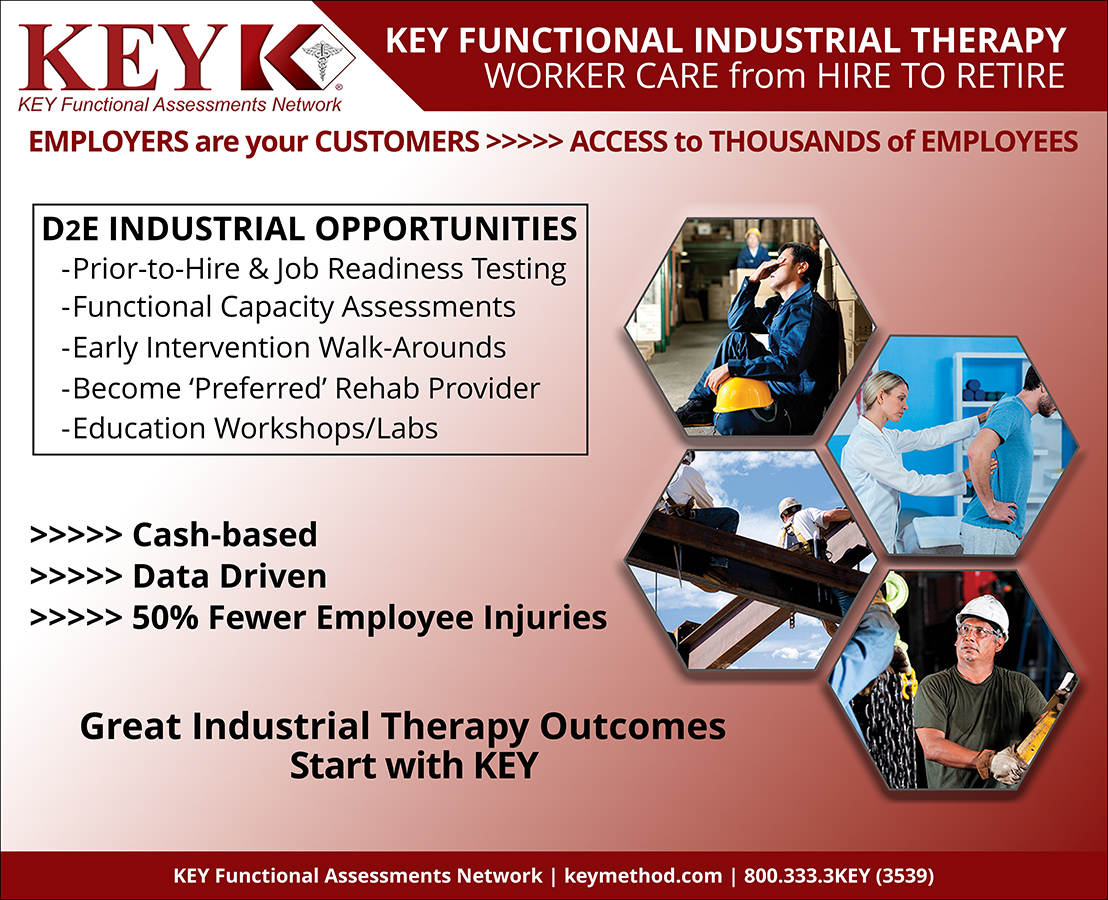
We recently returned from the 2025 APTA Private Practice Section Conference in Orlando, and what an energizing experience it was! This year’s event was buzzing with conversation, collaboration, and a noticeable shift in momentum toward an area many Physical Therapists have quietly championed for years: Industrial Therapy and Direct-to-Employer care.
For a long time, countless Therapists across the country have been providing workplace ergonomics assessments, injury-prevention programs, post-offer employment testing, on-site workshops, and direct care for Employees and their families. At this year’s conference, those efforts finally received the spotlight they deserve! Three separate sessions across the Thursday, Friday, and Saturday lineup emphasized not only the rising urgency for this type of care but also the opportunity it represents for the future of our profession.
Presenters highlighted the growing needs of Employers and Employees, the unsustainable trajectory of traditional worker health models, and the essential role physical therapists can play in supporting a healthier and more resilient workforce. Attendees gained field-tested strategies for stepping into the industrial space, improving service delivery, and expanding business operations in ways that directly support Employers.
The conversations didn’t stop at the end of each scheduled session! Everywhere we went, from the exhibit hall to the lounges, the restaurants, and even during evening meetups, Therapists continued trading insights, sharing lessons learned, and comparing approaches. At our booth, we had meaningful discussions with professionals eager to learn more about Industrial Therapy and Functional Capacity Assessments, reinforcing that this movement has real traction.
One of the standout sessions was “Wading In: How Small Practices Can Partner on Prevention in Industry,” led by Alison (Ali) Hartman, DPT of Advance NC. Hartman presented compelling data showing that today’s workforce is more unhealthy than ever, even as Employers spend more trying to maintain Employee well-being. Musculoskeletal issues remain the top cost driver, particularly for self-insured Employers.
Hartman emphasized that the Physical Therapy profession is facing sustainability challenges within our traditional model.
The solution? Direct-to-Employer partnerships, especially those that embed prevention-focused services directly into the workplace, offer a forward-thinking alternative. She also named a common barrier: clinicians often lack first-hand experience in on-site industrial settings, making it difficult to understand the practical logistics and systems required to succeed. Her session helped bridge that gap, giving attendees a clearer picture of what effective workplace integration looks like.
Hartman also reviewed insights from the study “U.S. Army Holistic Health and Fitness Programs Outperform Traditional Physical Therapy Models for Soldiers,” noting its powerful implications. Earlier APTA research has already shown that early evaluation and treatment by PTs leads to fewer surgeries and better outcomes compared to traditional, delayed medical pathways. The Army’s model takes this a step further: embedding Therapists directly within the population they serve. This proactive approach improves access, reduces treatment times, enhances recovery, and strengthens readiness. These outcomes parallel exactly what Industry Partners are seeking!
The message across the conference was clear. The future of physical therapy includes a strong, collaborative presence inside workplaces, helping prevent injuries before they occur and supporting healthier, stronger teams across the country.
This shift is not just exciting; it is necessary! And after this year’s conference, it is clear that more practices are ready to lead the way.
If you would like help exploring how Industrial Therapy or Direct-to-Employer services could fit into your organization or clinical strategy, we are here to support you. Contact us to learn how to shift your practice to match the needs of the future.